
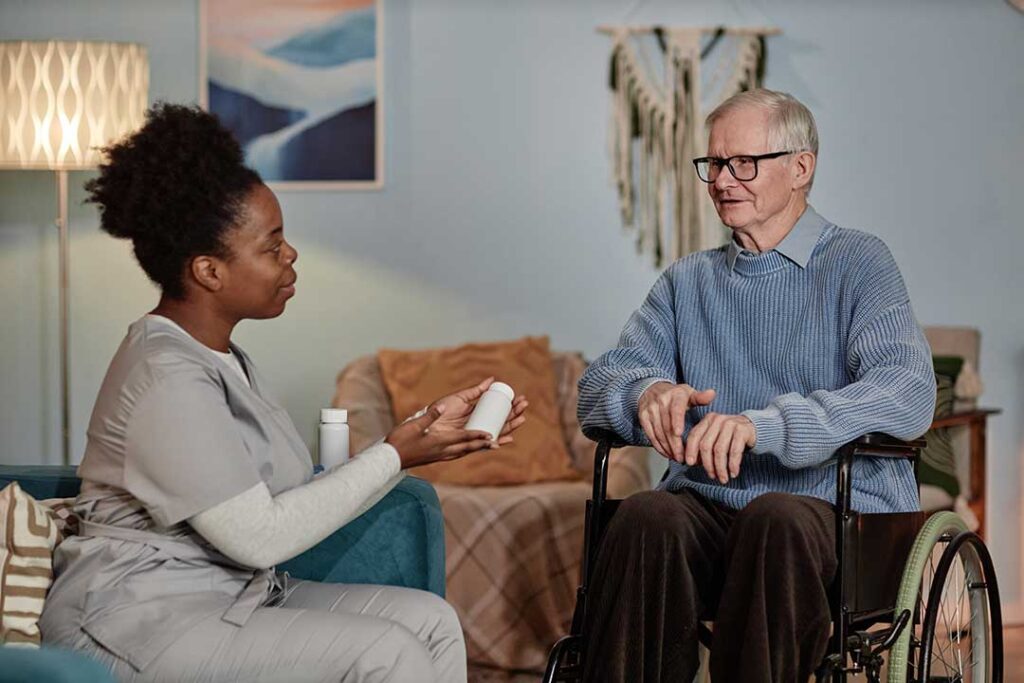
Which Living Spaces Best Support Comfort and Safety?
Residents and families often ask what types of rooms, layouts, and safety features contribute most to a positive assisted living experience. In Tarentum, PA, comfort and safety are foundational, especially as seasonal weather can be harsh or variable.
Private or semi-private apartments offer control over personal space and routine. Look for apartments with:
- Wide, easy-to-navigate doorways and hallways
- Step-free access to bathrooms and showers
- Emergency call systems in bedrooms and bathrooms
- Ample natural light to support mood during gray seasons
- Heating and cooling controls that are easy for residents to adjust
Safety additions like grab bars, slip-resistant flooring, and well-placed lighting help avoid falls—essential for local residents, especially through icy winters and damp springs.
What Social and Recreational Options Enhance Daily Life?
A common concern in local households is how to prevent social isolation and boredom as mobility changes. Quality assisted living communities in the area address this with purposeful social and recreational spaces.
Seek out settings that include:
- Comfortable lounges and activity rooms for group events and informal gatherings
- Outdoor patios, walking paths, or small gardens where residents can enjoy seasonal changes
- Organized fitness classes and hobby groups adapted for varying abilities
- Access to quiet spaces for reading or smaller conversations
Seasonal programming, such as indoor activities in colder months and gardening clubs or outdoor walks in spring and fall, aligns with Tarentum’s distinct climate. Residents appreciate opportunities to continue familiar activities and discover new interests within their abilities.
Do Dining Facilities Cater to Local Tastes and Needs?
Many residents express anxiety about losing autonomy in their meal choices or adapting to unfamiliar foods. Ideal amenities provide resident-centered dining:
- Multiple daily menu options, including regional favorites and flexible portions
- Accommodation of dietary restrictions, medical nutrition needs, and personal preferences
- Tables for both small and larger groups, supporting social interaction or privacy as needed
- Compact kitchenettes in some apartments, so residents can make snacks or drinks
Well-planned dining spaces foster a sense of community and belonging, while meal options adapted to local preferences and seasonal produce can help residents feel at home even as tastes or needs change.
How Do Transportation and Accessibility Affect Daily Independence?
For many in Tarentum, reliable transportation impacts both social connections and access to needed appointments or entertainment. Key amenities include:
- Scheduled shuttle service for shopping, medical visits, and recreational outings
- On-site parking for visiting family or those who still drive
- Covered entryways and sheltered waiting areas for transit, valuable in wet or cold weather
Additional accessibility features—like well-placed benches or rest stops along walkways—support outings within and beyond the property, crucial in an area where not every destination is close by.
Why Are Medical and Personal Care Supports Essential?
Residents and their families often focus on medical and personal care support. Fundamental amenities include:
- On-site health checks and medication management by qualified personnel
- Assistance with bathing, dressing, and grooming as needed, with sensitivity to privacy
- Wellness programs and regular visits from allied health professionals
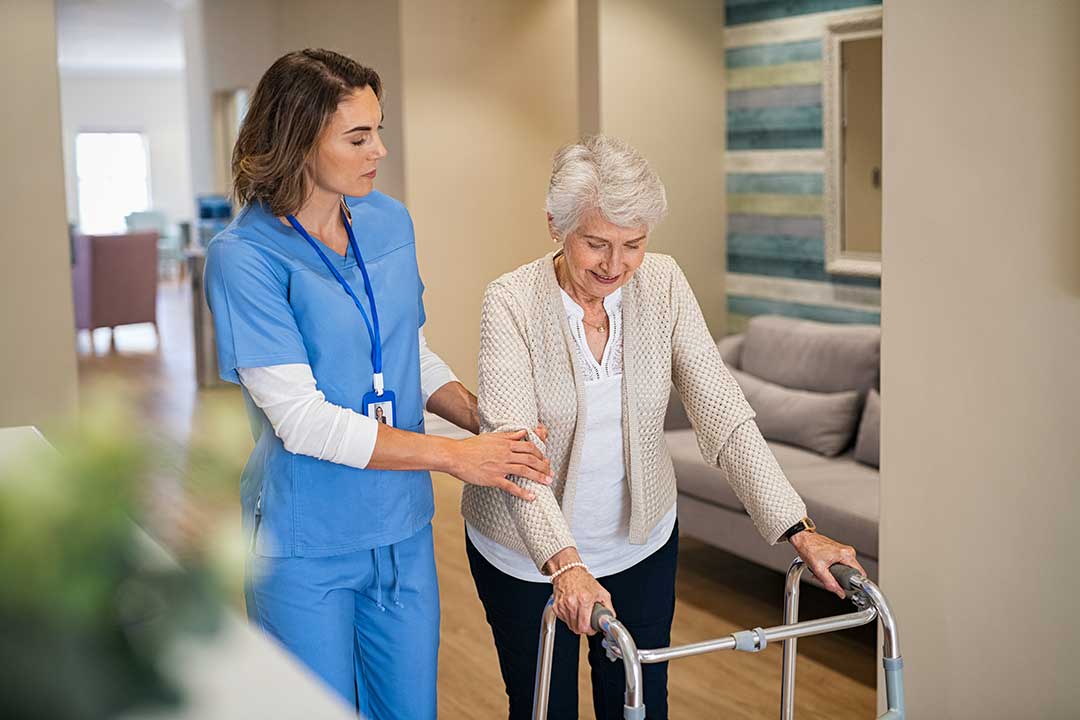
Integrated care options help local seniors feel secure while maintaining as much independence as possible. Effective communication between staff, residents, and family is a sign of a supportive environment.
What Community Atmosphere and Privacy Choices Exist?
Assisted living should balance social stimulation with privacy. Local residents emphasize wanting staff who respect boundaries and foster a warm, trusting atmosphere.
Helpful amenities include:
- Flexible visiting policies to support family involvement without rigidity
- Resident councils or feedback opportunities, allowing say in community decisions
- Quiet rooms for reflection, spiritual practice, or phone calls
- Staff training in respecting both cultural and personal traditions common to the area
The most positive experiences often come from settings where personal routines are honored and emotional well-being is prioritized, not just physical needs.
Does Technology Availability Make a Difference?
As more Tarentum households remain connected digitally, expectations for assisted living amenities have shifted. Common technology offerings now include:
- Free and reliable Wi-Fi in resident rooms and shared areas
- Video call stations to help residents connect with relatives or attend virtual events
- Personal emergency alert systems wearable as necklaces or bracelets
These technology supports are especially valuable during snowy weather or when travel is challenging, helping to maintain family ties and access to information or telehealth services.
Are Outdoor Areas Useful for Local Lifestyle?
For residents accustomed to spending time outdoors, access to open spaces and gardens can have a positive impact on mood and health. Even relatively small courtyards or porches, when well-maintained, provide:
- Opportunities for light exercise, sun exposure, and socializing
- Raised beds or container gardens for residents who enjoy plants but have reduced mobility
- Shaded areas, benches, and level walkways to encourage safe daily use
During warm months, these spaces become even more vital for fresh air and a change of scenery, especially for those adjusting to community living after years in private homes.
