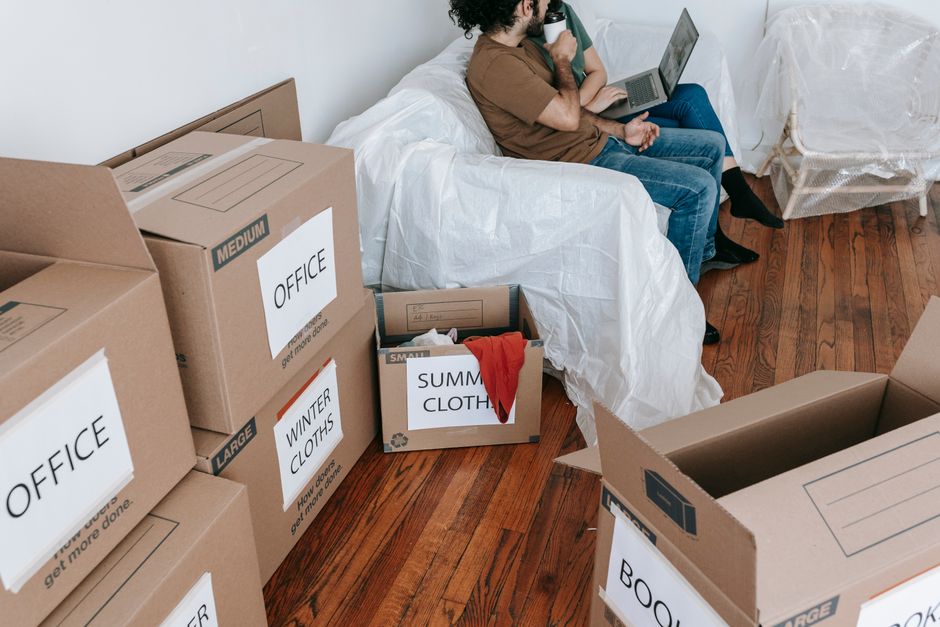
Moving into assisted living often feels easier when belongings are chosen by daily usefulness rather than by room size or emotional urgency. The goal is to create a familiar, comfortable living space while keeping walkways clear, storage manageable, and essential items easy to find.
How much should a resident bring?
Most residents should begin with enough clothing, personal items, medications, documents, and familiar household objects for everyday life—not an entire household’s contents. Assisted living apartments and rooms commonly have limited closet, drawer, and floor space, so packing too much can create clutter and trip hazards.
Before moving day, ask the community for:
- Room dimensions and storage measurements
- The size and location of the bed, dresser, closet, and bathroom
- Whether window coverings, a television, or basic furniture are provided
- Rules for appliances, candles, space heaters, microwaves, and extension cords
- Requirements for medication storage and administration
- Whether items must be labeled with the resident’s name
A simple floor plan can help family members decide what will fit. Mark the location of furniture, outlets, closet doors, and walking paths before selecting large belongings.
What clothing is practical for assisted living?
Pack comfortable clothing that is easy to put on, easy to identify, and suitable for changing temperatures. Residents typically need enough clothing for about one to two weeks, depending on laundry arrangements.
Useful choices include:
- Loose-fitting shirts and sweaters
- Elastic-waist pants or other clothing with simple fasteners
- Comfortable socks and well-fitting shoes
- Sleepwear
- Undergarments
- A light jacket or cardigan
- A warmer coat, hat, gloves, and scarf for cold weather
- A few dressier outfits for family gatherings, appointments, or special events
- Comfortable clothing for exercise, therapy, or group activities
Tarentum experiences cold winters, changing temperatures, and wet conditions, so seasonal layers are more practical than relying on one heavy garment. Shoes should have secure soles and fit properly. Slippers without adequate support may increase the risk of slipping.
Avoid packing a large number of duplicate outfits, delicate clothing that is difficult to launder, or garments with complicated buttons and fasteners unless the resident prefers them and can manage them safely.
What personal-care items should be packed?
Pack familiar toiletries and grooming supplies unless the residence provides them. Familiar products can make a new room feel more comfortable and may help preserve established routines.
Consider including:
- Toothbrush, toothpaste, denture supplies, and a denture container
- Comb, brush, shaving supplies, or cosmetics
- Shampoo, conditioner, body wash, and moisturizer
- Deodorant
- Nail-care supplies
- Incontinence products, if used and not supplied
- Hearing-aid storage supplies and batteries
- Eyeglasses and a protective case
- A small supply of tissues
- A clearly labeled laundry bag or hamper
Check whether the assisted living setting limits certain products, such as aerosol sprays, electric grooming tools, or over-the-counter medications kept in the room. Do not assume that a resident may independently store medication, vitamins, or supplements in a bedside drawer.
Which medications and medical items belong in the move?
Medication planning should be completed before move-in. Bring an accurate, current medication list that includes prescription drugs, over-the-counter products, vitamins, supplements, allergies, and the reason each medication is taken when available.
Medication containers should remain in their original pharmacy-labeled packaging unless the residence gives different written instructions. Families should also bring:
- Copies of relevant medical orders or care instructions
- Insurance and identification information
- Preferred pharmacy details
- Contact information for physicians and emergency contacts
- Inhalers, glucose-monitoring supplies, braces, or other approved medical equipment
- A current list of allergies and dietary restrictions
Do not place loose pills into a suitcase or pill organizer for move-in unless the residence specifically permits it. Medication storage and administration rules are part of resident safety and may differ from what was done at home.
What documents should family members bring?
Important documents should be organized in one clearly marked folder rather than scattered among personal belongings. The folder may include:
- Government-issued identification
- Insurance cards
- Advance directive or health care planning documents
- Emergency contact information
- Medication and allergy lists
- Physician and pharmacy information
- Legal or financial documents needed for care coordination
- Copies of power-of-attorney documents, when applicable
- A list of preferred foods, routines, hobbies, and calming strategies
Keep original legal documents secure and provide copies when appropriate. Ask the residence how documents should be submitted and who is authorized to receive health information.
How can a room feel familiar without becoming crowded?
A few meaningful belongings often create more comfort than many decorative items. Choose objects that support recognition, conversation, and daily routines.
Good options may include:
- Several framed family photographs
- A favorite blanket or quilt
- A familiar chair, if it fits safely
- A small clock with large numbers
- A calendar
- A few books, magazines, or audiobooks
- Music equipment that the resident can use comfortably
- A familiar lamp, if approved and safely positioned
- Small decorations connected to holidays, hobbies, or faith practices
- A labeled memory box with photographs and keepsakes
Avoid placing furniture where it narrows the path from the bed to the bathroom or blocks access to drawers and doors. Rugs can slide or curl, so they should only be used if they are approved and secured safely.
For residents with memory loss, recognizable photographs and simple visual cues may be helpful. Avoid filling the room with too many signs, decorations, or competing patterns, which can sometimes make the space harder to understand.
What should not be packed?
Some household items create safety, fire, sanitation, or maintenance concerns. Restrictions vary, so confirm them before moving anything large or electrical.
Common items to leave out unless specifically approved include:
- Space heaters
- Candles, incense, and open-flame decorations
- Large cooking appliances
- Unapproved extension cords or power strips
- Furniture with unstable legs or sharp edges
- Valuable jewelry or large amounts of cash
- Multiple heavy boxes of books
- Strong chemical cleaners
- Perishable food
- Weapons or hazardous tools
- Items that require complicated maintenance
Valuables may be difficult to track in a shared care environment. Bring only what the resident uses regularly and would not be devastated to lose or damage.
How should belongings be labeled?
Label clothing, coats, shoes, personal-care items, mobility equipment, and frequently misplaced belongings. Labels are especially useful when laundry is handled by staff or when several residents own similar items.
Use the resident’s full name or the identification method required by the residence. Mark removable items such as jackets and walkers, not just clothing. A photographed inventory of electronics, jewelry, mobility devices, and other valuable belongings can help families keep records.
What should be packed for the first 24 hours?
Pack a separate first-day bag so essential items are available before every box is unpacked. It should contain:
- One change of clothing
- Toiletries
- Prescribed medications following the residence’s instructions
- Eyeglasses, hearing aids, and chargers
- Important documents
- Snacks approved for the resident’s diet
- A phone or communication device
- A familiar comfort item
- Tissues and continence supplies, if needed
Moving day can be tiring, particularly for someone who has mobility limitations, memory loss, or difficulty adjusting to new surroundings. Keeping the first-day bag simple reduces unnecessary searching and helps the resident settle into familiar routines.
What can wait until after move-in?
Not every decision has to be made before the first night. After the resident has spent time in the room, it becomes easier to see what is genuinely useful.
Wait to add extra furniture, decorations, kitchen items, clothing, or storage containers until there is a clear need. Family members can observe whether the resident needs more lighting, a different chair, additional seasonal clothing, or a better place for commonly used items.
A thoughtful packing plan should make daily life easier, not recreate an entire house. Focus first on safety, comfort, personal identity, and the items that help the resident participate in ordinary routines.